September 16, 2026
Recovery rarely follows a straight line. Pain may ease before strength returns, mobility may improve before confidence catches up, and progress in a clinic may not immediately carry over to work, recreation, or household routines. These differences are why selecting care based only on a diagnosis can leave important needs unaddressed.
Effective rehabilitation begins with a clear understanding of the person, the condition, and the activities that matter in daily life. The right rehab therapy services connect that starting point to an intentional plan. Rather than applying the same routine to every patient, clinicians can examine movement, function, symptoms, and personal goals before choosing an approach. This process gives each session a defined purpose and creates practical ways to measure change. It also allows the plan to evolve as the patient becomes stronger, more mobile, or more independent.
A Thorough Assessment Establishes the Starting Point
A meaningful plan depends on an accurate picture of current abilities and limitations. A clinician may review symptom patterns, health history, previous injuries or procedures, movement quality, strength, balance, coordination, and the demands of normal activities. Someone with shoulder discomfort may need help reaching overhead at work, while another person with the same general complaint may be trying to return to a sport. Those differences can affect which movements receive attention and how progress is defined. Assessment is also valuable when a condition affects more than one part of daily function. A stroke or traumatic brain injury, for example, may influence mobility, coordination, cognition, and the ability to complete familiar tasks. Arthritis can affect joint motion while also making dressing, cooking, working, or recreation more difficult. Appropriate rehab therapy services account for the full effect of a condition instead of treating one isolated limitation.
Personal Goals Give Recovery a Useful Direction
Clinical measures are important, but progress is most meaningful when it improves real life. Increased range of motion has practical value when it helps a person wash their hair, reach a cabinet, or perform a job task with less difficulty. Better balance matters when it supports safer walking through the community or greater confidence at home. Goal-based care links physical or functional change to an outcome the patient can recognize. Personalization also helps establish an appropriate pace. A post-surgical patient may need a phased plan that respects healing while gradually restoring motion and strength. A person managing chronic pain may benefit from measured activity that builds tolerance without treating every temporary symptom increase as a setback.
For someone with hypermobility, care may emphasize joint stability, supporting muscles, and body awareness rather than pursuing greater flexibility. Broader physical therapy outcomes provide useful context for what structured rehabilitation can accomplish. According to SPRY, physical therapy produces meaningful improvement for most patients, with reported success rates generally falling between 68% and 72%. A statistic cannot predict one person's result, but it supports the role of structured rehabilitation in helping many patients make substantial gains. The plan still needs to reflect the individual's condition, participation, health history, and objectives.
The Appropriate Discipline Addresses the Right Challenges
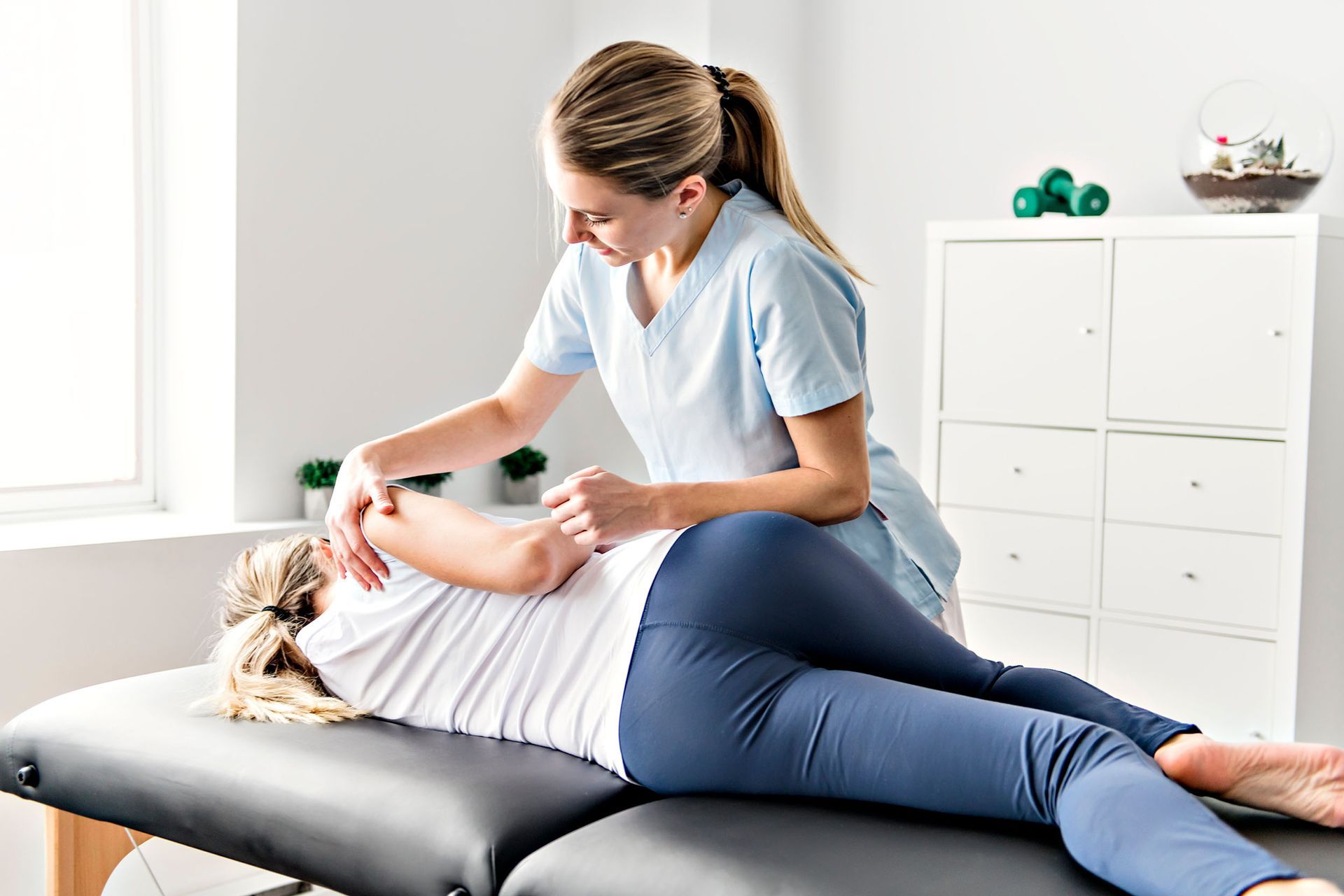
Physical therapy often focuses on pain, mobility, strength, balance, coordination, and functional movement. It may support people managing arthritis, back or neck pain, knee or hip discomfort, shoulder injuries, sports injuries, neurological conditions, or recovery after an orthopedic procedure. Treatment can include targeted exercise, manual therapy, balance work, movement retraining, dry needling when appropriate, and other evidence-based methods. Custom foot orthotics may also be considered when gait, foot structure, or alignment contributes to discomfort or limited function. Occupational therapy approaches progress through the activities people need and want to perform. Adult and geriatric care may address fine motor skills, household routines, work tasks, cognitive changes, adaptive techniques, or greater independence following illness, injury, disability, stroke, or traumatic brain injury. Hand rehabilitation can concentrate on dexterity, strength, and upper-extremity function after surgery or with conditions such as arthritis. Workplace ergonomics can address how a person's setup and repeated movements contribute to strain. Children may have a different set of functional goals.
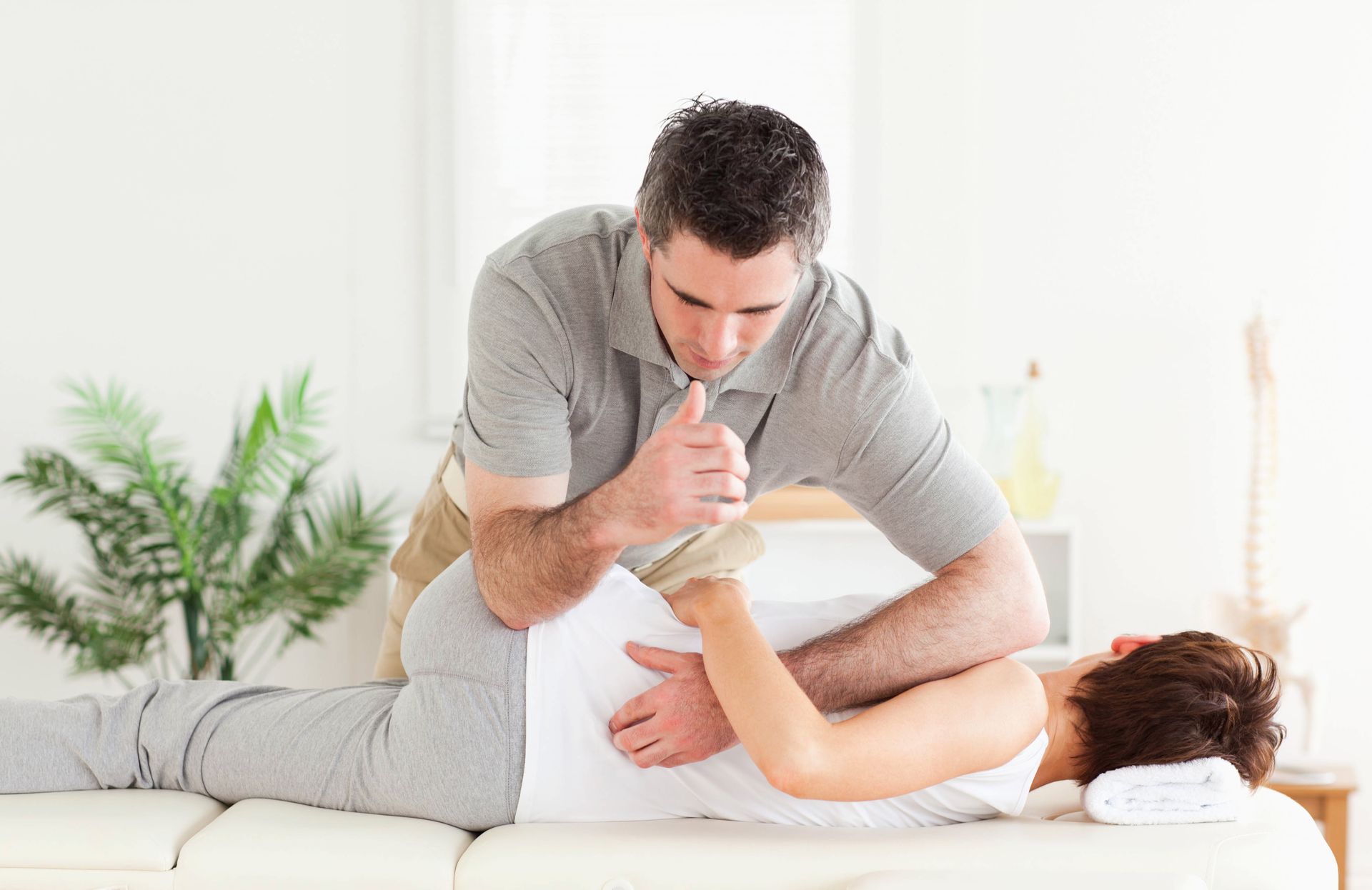
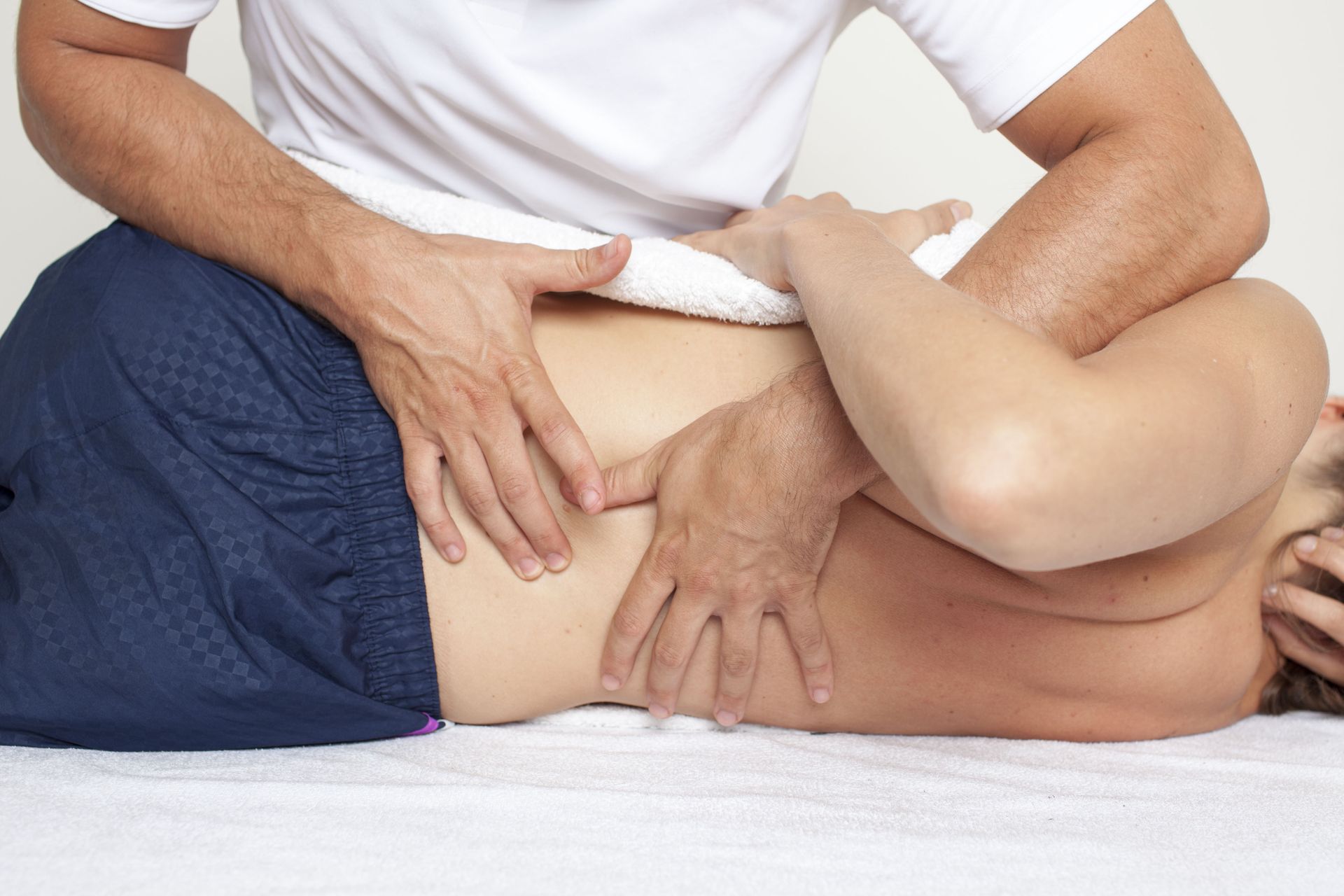
Pediatric occupational therapy can use engaging activities to support motor skills, developmental milestones, sensory processing, emotional regulation, and participation at home or school. Care for autism spectrum disorder, developmental delays, or sensory processing challenges should reflect the child's specific responses and abilities. The right rehab therapy services match the discipline and activities to the needs affecting that child's daily participation. Massage therapy and myofascial release can support a broader rehabilitation plan in a distinct way. Targeted hands-on techniques may address restrictions in fascia and soft tissue, relieve muscle tension, and support mobility or range of motion. This type of care may be relevant for chronic discomfort, older injuries, sports-related concerns, or issues involving areas such as the back, neck, hip, or shoulder. When paired with clinician-guided stretches or exercises, it can support an organized recovery plan rather than functioning as an isolated response to symptoms.
Thoughtful Treatment Selection Makes Each Session Count
The presence of many treatment options does not mean every patient needs every method. Manual therapy may help address a mobility restriction, while therapeutic exercise can reinforce strength and movement control. Balance activities may be appropriate when instability or fall risk limits independence, and sensory integration methods may help a patient respond more effectively to environmental input. Skilled selection matters because each technique should connect to an identified limitation and a functional goal. Choosing an appropriate treatment is only part of the process; the level of difficulty must also change at a suitable pace. An activity that is challenging early in recovery may become too easy as capacity improves, while a more advanced task may be premature before foundational control develops.
Clinicians can adjust resistance, complexity, range, duration, or task demands based on how the patient responds. Well-matched rehab therapy services create enough challenge to promote improvement while respecting current ability, symptoms, and relevant precautions. Hands-on care and modern treatment techniques can be valuable, but the relationship between clinician and patient also shapes the experience. Patients need room to explain what they feel, which activities remain difficult, and how they responded after the previous visit. Clinicians can then clarify the reason for an activity, offer useful feedback, and refine the approach. This exchange makes treatment more intentional and helps the patient recognize how individual sessions relate to larger goals.
Consistent Measurement Turns Change Into Visible Progress
Recovery can feel slow when improvement is judged only by whether every symptom has disappeared. Measurable indicators provide a more complete view, such as greater range of motion, improved grip strength, longer walking tolerance, steadier balance, or increased independence with a daily task. Smaller changes can signal that the plan is working even when the final goal remains ahead. They can also show where a different strategy or added focus may be appropriate.
Consistency allows those changes to build. Attending scheduled sessions, communicating openly, and following clinician-provided guidance between visits help connect one stage of care to the next. Temporary fluctuations do not necessarily erase prior gains, particularly with chronic conditions or complex neurological and orthopedic recovery. Suitable rehab therapy services account for those variations and use repeated observations to judge progress over time.
The most productive rehabilitation plan is one that connects careful assessment, appropriate treatment, personal goals, and ongoing measurement. When each part of care has a clear purpose, progress becomes easier to recognize and the next step can be chosen with greater confidence. At ProRehab Center, we provide personalized physical therapy, occupational therapy, and massage therapy in a welcoming Fargo clinic. Contact us to discuss which rehab therapy services may fit your condition, daily challenges, and recovery goals.